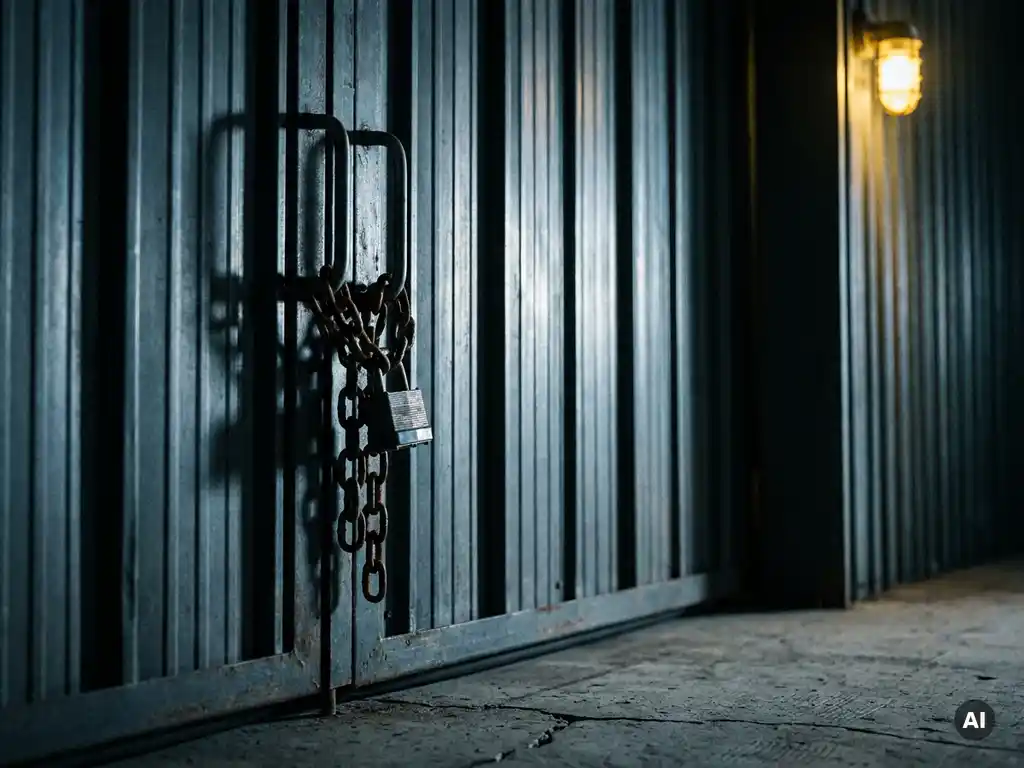
How do you secure a warehouse against burglary?
You secure a warehouse against burglary by combining multiple layers of security: access control, camera surveillance, an alarm system, and good lighting together form an effective barrier. No single measure is sufficient on its own, but the combination makes burglary significantly more difficult and riskier for potential perpetrators. In this article, we answer the most frequently asked questions about warehouse security so that you know exactly what steps to take. Do you have a question right away? Feel free to contact us with Sellox.
Which places in a warehouse are most vulnerable to burglary?
The most vulnerable spots in a warehouse are the loading and unloading doors, emergency exits, roof hatches, and ground-floor windows. These are the entry points burglars use most often because they are physically large, less visible, or checked less frequently than the main entrance.
Loading and unloading doors are often the weakest link. They are large, sometimes left open and unattended during working hours, and do not always have extra locks or alarm sensors. Emergency exits are frequently overlooked in security plans, even though they are relatively easy to force open from the outside. Roof hatches and skylights constitute a less obvious but frequently used entry point in targeted burglaries.
In addition to physical entry points, blind spots on the grounds surrounding the warehouse are also risky. Areas without lighting or camera surveillance give burglars the opportunity to operate undisturbed. A thorough risk analysis of the building and the grounds is therefore the first step in establishing sound security.
Which alarm system is suitable for a warehouse?
A warehouse requires an alarm system tailored to large, open spaces: a combination of motion detection, vibration sensors on doors and windows, and glass break detectors offers the most reliable coverage. Preferably, connect this system to a monitoring center for immediate response in the event of an alarm.
Motion detectors based on infrared technology are suitable for the interior of a warehouse. They detect moving heat sources and trigger an alarm as soon as there is unwanted movement outside working hours. For the outdoor perimeter, volumetric detectors or microwave sensors are a better choice, as they function reliably even in weather conditions.
Vibration sensors on doors and roller shutters register attempts to force the premises even before a burglar is inside. Glass break detectors complement this by recognizing the specific sound of breaking glass. An alarm system directly connected to a private alarm center ensures rapid intervention, significantly limiting damage in the event of an attempted burglary.
How does access control work in a warehouse?
Access control in a warehouse works by granting access to the building or specific zones within it only to authorized persons. This is done via identification methods such as cards, PIN codes, biometrics, or a combination thereof, linked to a central management system that records who was where and when.
A good access control system It makes it possible to determine which doors and time windows are accessible per employee or group. For example, a warehouse employee has access to the storage area, but not to the server room or the management office. This limits the risk of internal theft and prevents unauthorized persons from entering sensitive areas.
Modern access control systems also offer a digital logbook: every access attempt is recorded with the time and identity. This is valuable for incident investigations and helps demonstrate liability. Furthermore, for warehouses with rotating shifts or external suppliers, it is easy to grant and revoke temporary access rights without having to replace physical keys.
What are the best security cameras for a warehouse?
The best surveillance cameras for a warehouse are PTZ (pan-tilt-zoom) cameras for large areas and fixed IP cameras with a wide viewing angle for entrances, corridors, and loading docks. Choose cameras with night vision and high resolution so that images can be used as evidence even in poor lighting.
For the interior of a warehouse, dome cameras are popular due to their discreet appearance and wide viewing angle. They are difficult to tamper with and offer a good overview of storage racks and walkways. PTZ cameras are suitable for large halls: they can be operated remotely and zoom in on suspicious situations.
Bullet cameras are preferred for outdoor use. They are weather-resistant, visibly present (which has a deterrent effect), and provide sharp images of access roads and parking lots. Ensure that the camera footage is stored in a secure location for at least thirty days, so that images are always available to the police or insurer in the event of an incident.
How does lighting contribute to the security of a warehouse?
Lighting contributes to the security of a warehouse by making burglars visible and deterring them from entering the premises. Well-lit facades, access paths, and loading docks remove the cover burglars rely on and increase the likelihood that suspicious behavior will be noticed by bystanders or cameras.
Motion-activated outdoor lighting is particularly effective: it surprises anyone entering the premises and attracts attention without consuming energy continuously. Combine this with permanent backlighting at critical points such as doors and camera positions, so that surveillance footage is always usable.
Lighting also has an indirect effect on the perception of safety. A well-lit warehouse signals that the premises are actively managed and monitored, which raises the threshold for opportunistic burglars. Ensure there are no blind spots where lighting is lacking, particularly around emergency exits and at the rear of the building.
Does a warehouse need to have a security service?
Whether a warehouse requires a security service depends on the value of the stored goods, the risk level of the location, and the existing technical security measures. For warehouses with high-value or sensitive cargo, or at locations with an increased risk of burglary, a security service is a valuable addition to technical systems.
Technical security systems such as cameras and alarms detect and record, but do not take active action. A security service fills this gap: guards can patrol, respond quickly to alarm notifications, and provide a physical presence that deters. This is particularly relevant outside office hours, on weekends, or during holidays when the premises are vacant.
For smaller warehouses or locations with a lower risk profile, a combination of a monitoring center connection and rapid intervention by an alarm response service can be a cost-effective alternative to a fixed on-site security service. The right choice depends on a concrete risk assessment based on the specific situation of the company.
Do you want to know which security solutions best suit your warehouse? Contact us contact Sellox for a no-obligation consultation.
Frequently Asked Questions
How often should I have my warehouse security checked or updated?
It is advisable to have your security system checked by a certified security specialist at least once a year. Additionally, an interim evaluation is wise in the event of major changes, such as a warehouse expansion, a new shift schedule, or a change in stored goods. Technology evolves rapidly, and older systems may contain vulnerabilities that newer solutions cover.
What should I do if my warehouse is broken into anyway?
Do not enter the premises until the police have arrived, to avoid disturbing evidence and to ensure your own safety. Report the burglary immediately to the police and your insurer, and ensure that the camera footage and logs from your access control system are secured. Subsequently, have a security specialist conduct a new risk analysis to determine which weak points may have facilitated the burglary.
How do I prevent internal theft in my warehouse?
You prevent internal theft by combining access control with clear zoning: employees are only granted access to the areas they need for their job. Security cameras in strategic locations such as loading docks and storage areas, combined with regular inventory checks, significantly reduce the risk of undetected theft. Furthermore, a transparent policy regarding access rights and your system's digital logbook helps in quickly detecting irregularities.
Which certifications or standards are important when purchasing security equipment for a warehouse?
For security equipment in the Netherlands, it is important to look for the KIWA or BORG quality mark, which indicates that a product or installer meets recognized quality and safety standards. Many insurers require alarm systems and intrusion detection to comply with the EN 50131 standard. When purchasing, always ask about the certification of both the equipment and the installer to ensure your insurance coverage is not compromised.
Is it mandatory to inform employees about the presence of surveillance cameras?
Yes, under the GDPR (General Data Protection Regulation), as an employer you are required to inform employees about the presence and purpose of camera surveillance in the workplace. This can be done through a clear privacy policy, a notice in the employment contract, or visible stickers at the entrance to the warehouse. Camera footage may only be used for the purposes for which it was collected, such as security and incident investigation, and may not be retained longer than necessary.
What is the difference between a monitoring center connection and an alarm response service, and which one do I need?
A monitoring center connection means that upon activation, your alarm system automatically sends a signal to a private alarm center, which assesses the alarm and, if necessary, contacts the police or a designated contact person. An alarm response service goes a step further: in this case, a security guard physically drives to your location to assess the situation on-site and take action. For most warehouses, the combination of both offers the best value for money, with the monitoring center acting as a liaison and the response service being deployed only in the event of a genuine incident.
How do I determine what security budget I need to allocate for my warehouse?
A good rule of thumb is to base the security budget on the value of the stored goods, the risk profile of the location, and the requirements of your insurer. Have a professional risk analysis performed: this provides insight into the most critical vulnerabilities and helps you allocate your budget effectively rather than investing in measures that add little value. Keep in mind that good security often leads to lower insurance premiums, meaning the investment partially pays for itself.