When do old locks pose a security risk?
Old locks pose a security risk as soon as they no longer meet current security standards, are mechanically worn out, or are easy to bypass using modern burglary methods. This applies to virtually every lock older than ten to fifteen years, especially if it has never been upgraded or inspected. In this article, we answer the most frequently asked questions about outdated locks, from identifying features to the best replacement. Do you want immediate advice? Feel free to contact us. contact with Sellox for a no-obligation consultation.
How do you know if an old lock is no longer secure?
An old lock is no longer secure if it shows visible wear, no longer turns smoothly, or has a low security class that does not comply with current standards. Also, if keys have been lost or the property has changed ownership, the lock is potentially unsafe, regardless of its age.
Practical signs to look out for include:
- The key turns stiffly or jams when opening
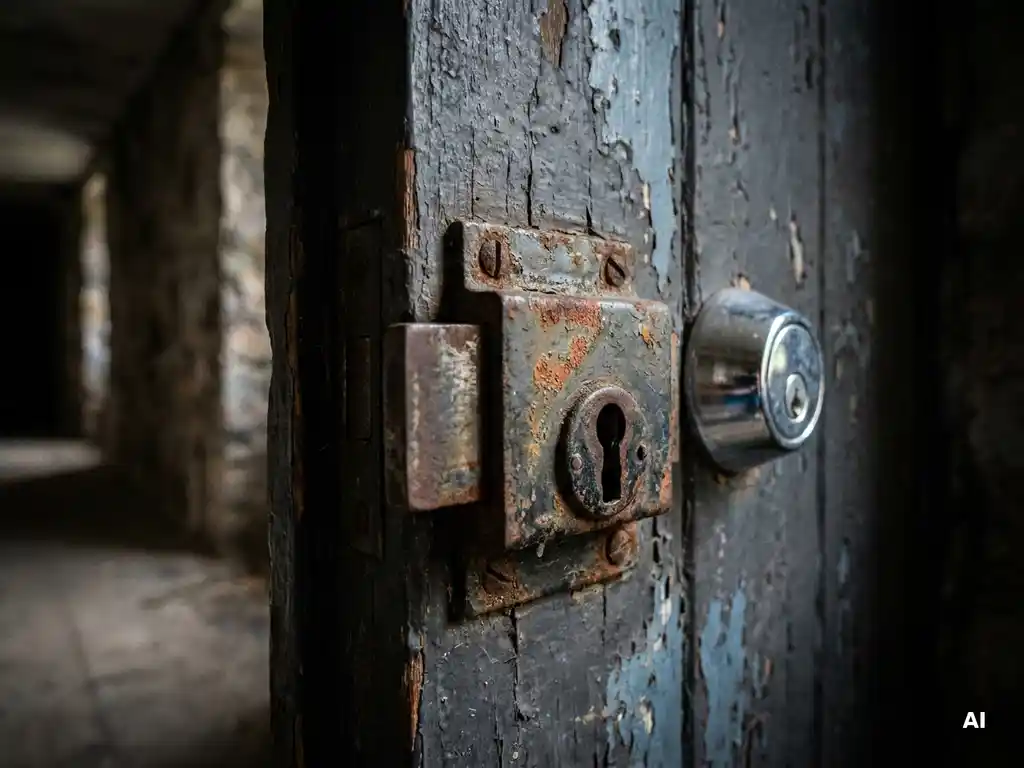
- The lock shows rust, corrosion, or visible damage.
- The lock lacks a quality mark such as SKG or a similar certification.
- There are multiple keys in circulation that you have no overview of.
- The lock dates from before 2010 and has never been replaced since then.
Mechanical wear is often not immediately visible, but it definitely affects the resistance a lock offers. An outdated lock can give way much more easily during a burglary attempt than a modern one, simply because the internal pins and springs no longer function properly.
Which types of old locks are the easiest to crack?
Old cylinder locks without anti-core pulling protection and simple bolt locks are the easiest to crack. These locks offer little resistance to common burglary methods such as drilling, core pulling, and bumping. They were common decades ago but do not meet the requirements of modern burglars.
Locks without anti-core pulling protection
With cylinder pulling, a burglar literally pulls the cylinder out of the lock with special pliers. Older cylinder locks lack the reinforced metal protection that prevents this. Within a few seconds, the cylinder is removed and the door stands open.
Locks without anti-bump protection
Bumping is a technique in which a specially cut key temporarily moves the pins in a lock into the correct position with a tap. Older locks without special anti-bumping pins are particularly susceptible to this. This requires minimal skill and leaves virtually no traces, making it a popular method.
How long do locks last on average?
Mechanically, a high-quality lock lasts on average ten to fifteen years under normal use. However, its functional lifespan in terms of security is shorter, because burglary methods and standards evolve faster than the mechanism becomes obsolete. A lock that still works perfectly may already be security-wise obsolete.
The lifespan depends heavily on the frequency of use, environmental conditions (moisture, temperature fluctuations), and the quality class of the lock itself. A cheap, low-quality lock can cause problems after just five years, while a high-quality SKG-certified lock lasts longer but will eventually require replacement due to changing safety requirements.
What are the risks of an outdated lock in the event of a burglary?
The biggest risks of an outdated lock during a burglary are a shorter entry time, no or minimal signs of forced entry, and a lower barrier for inexperienced burglars. A modern lock with a high resistance class forces a burglar to use more time and tools, which increases the chance of being caught and acts as a deterrent.
In addition to the direct risk of burglary, there are also indirect consequences. Many insurers set requirements regarding the quality of locks. If, during a burglary, it turns out that the lock did not meet the policy conditions, the insurer may refuse to compensate for the damage. This makes an outdated lock not only a security risk but also a financial risk.
When is replacing a lock mandatory or necessary?
Replacing a lock is necessary after a burglary or attempted burglary, after the loss or theft of keys, upon the transfer of a property, and when the lock no longer meets your insurer's requirements. In some business situations, such as with rental properties or commercial premises, contractual or statutory obligations may also apply.
It is good for companies access control A structural obligation, not just a one-off action. When employees leave the company, keys are passed on, or there are changes in the company structure, the lock system must be reviewed. Digital or mechanical key management systems make this easier to manage than traditional keys.
Private individuals are not legally required to replace locks, but they are indirectly required to do so through their insurance policies. Always check the policy conditions for minimum requirements regarding lock class and quality mark.
Which type of lock offers the best security as a replacement?
A three-star SKG-certified cylinder lock offers the best mechanical security as a replacement for an outdated lock. These locks are tested for resistance to drilling, core pulling, and bumping, and can withstand burglary attempts lasting at least ten minutes. For higher security requirements, electronic or mechatronic systems are an excellent addition.
Mechanical locks with high resistance class
A three-star lock with the SKG quality mark is the minimum standard for homes and commercial properties in the Netherlands. The quality mark guarantees that the lock has been independently tested and meets established standards for burglary resistance. Preferably choose a brand that also offers a guarantee on the quality mark.
Electronic and smart access systems
Electronic locks offer significant advantages for situations where multiple users require access. Access rights are easy to revoke without replacing locks, there is a log of who enters when, and lost badges or codes are blocked immediately. This makes them particularly suitable for offices, rental properties, and other environments with changing users.
An outdated lock is a risk that you can easily eliminate by acting in a timely manner. Whether it concerns a home, a commercial property, or a rented space: choosing the right lock starts with an honest assessment of what you currently have. Contact us with Sellox for professional advice on lock replacement and customized access security.
Frequently Asked Questions
Can I assess myself whether my lock needs replacing, or do I need a professional for that?
You can make an initial assessment yourself by looking for visible wear, stiff turning, and the absence of an SKG certification mark on the cylinder. However, for a reliable technical assessment, it is advisable to call in a locksmith, especially if the lock is older than ten years or if you have doubts about the security class. A professional can also assess burglary methods that are not immediately visible to a layperson.
What are the most common mistakes when replacing an old lock?
A common mistake is choosing a new lock based on price alone, without paying attention to the SKG certification or resistance class. Another pitfall is replacing only the cylinder when the entire lock housing is worn or damaged. Finally, many people forget to inform the insurer after replacing a lock, even though this is sometimes necessary to keep the policy valid.
How quickly can a locksmith replace an old lock, and do I need to schedule an appointment for that?
In most cases, a lock replacement is completed within a single visit, often within thirty to sixty minutes depending on the type of lock and the door. In urgent situations, such as after a burglary or lost keys, locksmiths like Sellox also offer emergency service. It is always wise to contact them in advance so that the correct materials can be brought along.
Does it make sense to install multiple locks on one door, or is one high-quality lock sufficient?
A single good SKG-certified three-star lock already offers strong basic security, but a combination of a high-quality cylinder lock with a surface-mounted lock or security fittings can further increase burglary resistance. Multiple locks require more time and tools from a burglar, which increases the deterrent effect. Seek advice on the optimal combination for your specific door and situation.
What should I do if I don't know what type of lock is currently in my door?
Look for a quality mark, brand, or model designation on the front of the cylinder or on the lock housing — many manufacturers display this directly on the lock. If this information is missing, a locksmith can easily identify the lock during an inspection. It is also possible to take a photo and submit it to a specialist, such as Sellox, who can provide further advice based on that.
Are electronic locks also suitable for private individuals, or are they only intended for businesses?
Electronic locks are certainly suitable for private individuals as well and are becoming increasingly accessible in terms of price and installation. They offer benefits such as access via smartphone, easy addition or removal of users, and notifications for unauthorized access attempts. For a family with changing users or a holiday home, a smart lock can be a practical and secure choice.
Does my insurance cover the cost of replacing a lock after a burglary or lost keys?
This depends heavily on your specific policy and insurer. Some contents or buildings insurance policies cover the cost of lock replacement after a burglary or key theft, but this is not standard. Check your policy conditions regarding this point and, if in doubt, contact your insurer before having the replacement carried out so that you know what you can claim.