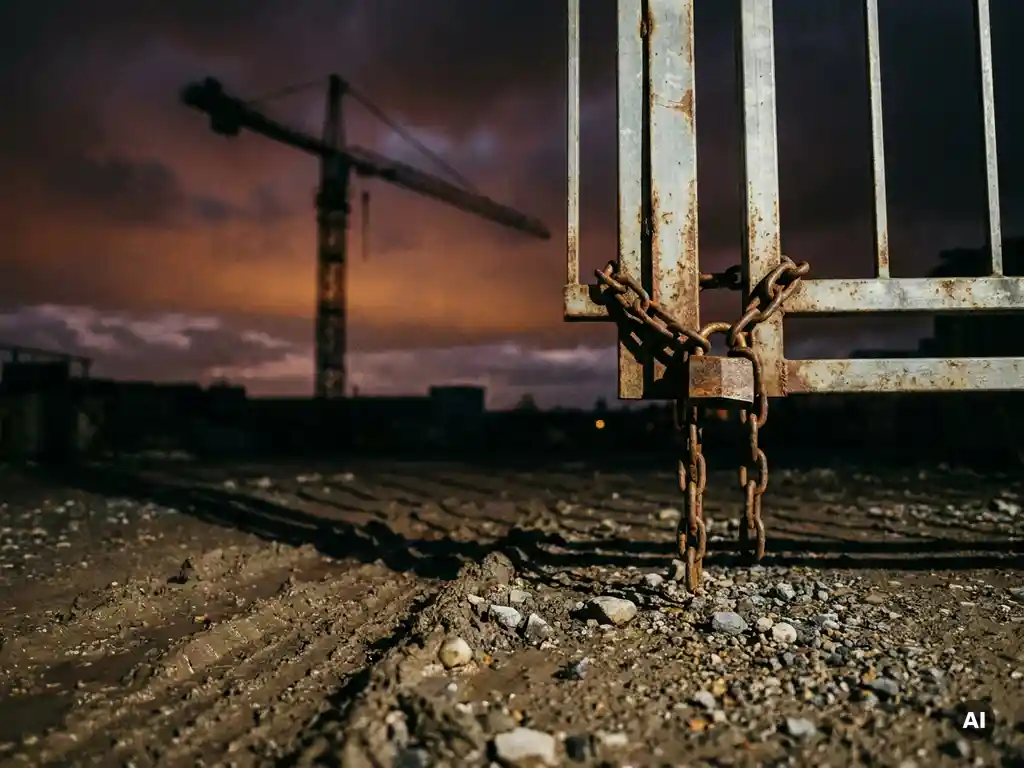
How do you secure a construction site against theft?
You secure a construction site against theft through a combination of physical barriers, camera surveillance, access control, and equipment registration. No single measure is sufficient on its own; the strength lies in the combination. Construction sites are attractive targets because equipment, tools, and materials are often left unattended outside working hours. In this article, we answer the most frequently asked questions about construction site security so that you know which steps are most effective. Do you have an immediate question? Feel free to contact us with Sellox.
What is most stolen from construction sites?
On construction sites, copper wire, tools, construction machinery, and fuels are the most frequently stolen items. Additionally, building materials such as wooden beams, insulation, and sanitary fixtures are popular targets. Thieves focus on items that are easy to transport, sell, or reuse, and that are difficult to trace without marking.
Professional thieves know the patterns of a construction site. They observe when personnel leave, which entry points are weak, and where the most valuable equipment is stored. Small, portable equipment such as drills, grinders, and measuring instruments disappear most frequently, but heavy machinery such as excavators and cranes are also stolen or damaged. Fuel tanks are regularly emptied, which causes significant delays in schedules in addition to material damage.
Which physical security measures work best?
The most effective physical security measures for a construction site are sturdy fencing, lockable storage containers, lighting systems, and controlled access points. These measures raise the barrier to burglary and delay thieves long enough to deter or catch them.
A robust fence with a minimum height of two meters forms the first line of defense. Choose fences that are difficult to move or saw through, and ensure they are securely anchored in the ground. Storage containers must be fitted with high-quality locks and preferably anchored so that they cannot be removed as a whole. Lighting plays an underestimated role: a well-lit construction site deters thieves and makes camera footage more usable. Motion sensors that activate lights are cost-effective and efficient. Combine this with clear signage indicating that the location is being monitored.
How does camera surveillance help secure a construction site?
Camera surveillance helps secure a construction site by recording suspicious behavior, deterring thieves, and providing evidence after an incident. Modern camera systems can also send real-time notifications upon movement outside office hours, allowing for prompt intervention.
Mobile camera towers are particularly suitable for construction sites. They are easy to move as construction progresses and require no fixed cabling. Solar panels or battery packs make them independent of the electricity grid. Combine cameras with a control room that monitors the images remotely: this way, not only is what happens recorded, but immediate action can also be taken. Position cameras at access points, storage locations, and blind spots. Ensure that the footage is retained for at least thirty days, allowing sufficient time to file a report and hand over evidence to the police.
When is professional security the right choice?
Professional security is the right choice when the value of the equipment is high, the location is difficult to secure using technical means alone, or when incidents have occurred previously. Human security is also a logical addition for large-scale projects with many staff and visitors.
An on-site security guard has a deterrent effect that technology cannot fully match. Human presence makes it possible to assess situations, check visitors, and act immediately in the event of a threat. Professional guards can also access control Execution: control who enters the construction site, check badges or identification, and refuse entry to unauthorized persons. This is particularly relevant for projects where multiple contractors, subcontractors, and suppliers walk in and out daily. The combination of security guards and technical systems provides the highest level of security.
How do you mark and register equipment to make retrieval easier?
You mark and register equipment using engraved serial numbers, DNA markings, RFID tags, or GPS trackers. Centralized registration of all equipment, including photos and serial numbers, makes recovery significantly easier after theft and increases the likelihood of a successful report.
Engraving is an inexpensive and visible method that immediately deters thieves, as stolen goods are harder to resell if they are traceable. DNA markings are invisible but unique to each company and provable in court cases. GPS trackers are particularly effective for vehicles and large machinery: they transmit the location in real time and make it possible to intervene quickly after a theft. Link all registrations to a digital system so that you always know which equipment is present at which location. Conduct regular inventories so that missing items are detected quickly rather than only after weeks.
What are the legal obligations regarding construction site security?
In the Netherlands, there are no specific laws mandating construction site security, but the Working Conditions Act does require employers to guarantee a safe working environment. Additionally, insurance policies and municipal permits may impose additional security requirements as a condition for coverage or permission.
Many insurers require that minimum security measures, such as fencing and camera surveillance, be in place before compensation for theft damage is paid. If these are lacking, a claim may be rejected. When granting a building permit, municipalities may also impose conditions regarding nuisance and safety for the surrounding area, which indirectly affects the layout of the construction site. Always check your insurance policy conditions and the regulations in the permit before finalizing the security setup. Well-documented security measures also strengthen your position in the event of a potential claim.
A well-secured construction site starts with a well-thought-out plan that combines physical measures, technology, and access control. By registering equipment, controlling access, and reporting suspicious activity immediately, you significantly reduce the risk of theft. Would you like to know which security solution best suits your construction project? Contact us contact Sellox for a no-obligation consultation.
Frequently Asked Questions
How do I determine which security measures are most suitable for my specific construction site?
Start with a risk analysis: inventory what equipment is present, how long the project will last, how accessible the location is, and whether there have been previous incidents in the vicinity. Based on this, you can choose a security level that matches the risks and the budget. A security specialist like Sellox can help you create a customized security setup that smartly combines physical, technical, and organizational measures.
What are the most common mistakes when securing a construction site?
A common mistake is relying on only a single security measure, such as just a fence or just cameras, without combining it with other layers. Additionally, security is often taken seriously only after an incident, rather than before. Failure to register equipment and the lack of a clear access policy are also common shortcomings that significantly increase losses in the event of theft.
How do I ensure that employees and subcontractors adhere to the safety rules on the construction site?
Establish a clear security protocol and ensure it is communicated to all parties before the start of the project, including subcontractors and suppliers. Appoint a responsible person to oversee compliance and provide a simple reporting point for suspicious situations. Regular toolbox meetings on safety and security help keep awareness alive throughout the entire project.
Are mobile camera towers also suitable for short-term or smaller construction projects?
Yes, mobile camera towers are actually ideal for short-term and smaller projects because they do not require a permanent installation and can be deployed quickly. They are flexible to move as work progresses and are often offered as a rental solution, which keeps the investment low. Even for a project of just a few weeks, a mobile camera tower can make a big difference in deterring opportunistic thieves.
What should I do immediately after a theft has occurred at my construction site?
File a report with the police as soon as possible and provide as much documentation as possible: camera footage, a list of stolen equipment with serial numbers and photos, and any GPS location data. Also, inform your insurer immediately and document the damage extensively with photos of the situation at the scene. The sooner and more complete your report is, the greater the chance of recovering the equipment and securing successful compensation.
Can I claim construction site security as a business expense, or are subsidies available?
Security costs for a construction site are in most cases deductible as business expenses, thereby reducing taxable profit. There are generally no specific subsidies for construction site security in the Netherlands, but some trade associations or municipalities sometimes offer contributions or incentive schemes as part of crime prevention. Consult your accountant or tax advisor for the exact tax treatment in your situation.
How do I maintain security levels as construction progresses and the situation on the construction site changes?
Schedule regular evaluation moments, for example monthly or at every new project phase, during which you reassess the security setup in relation to the current situation on the construction site. Adjust camera positions and access points as buildings progress and storage locations shift. A flexible security solution, such as rentable mobile systems, makes it easier to respond to changing circumstances without major additional investments.