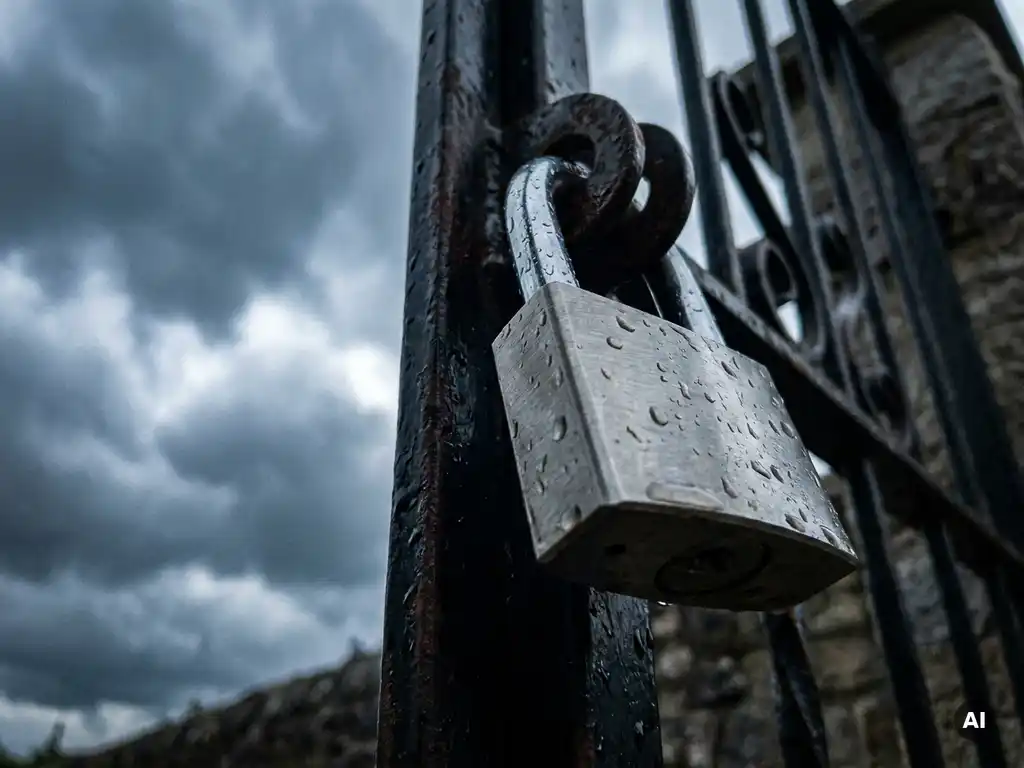
Which locks are weather-resistant?
Weather-resistant locks are made of stainless steel, brass, or zinc and feature an IP rating that offers protection against moisture, dust, and temperature fluctuations. For outdoor use, locks with a protected cylinder and a weather-resistant housing are particularly essential. In this article, we answer the most frequently asked questions about outdoor locks, from material selection to maintenance. Do you have a question right away? Feel free to contact us with Sellox.
Which materials make a lock weather-resistant?
A lock is weather-resistant when it is made of materials that do not rust, corrode, or deform with temperature changes. The most commonly used materials are stainless steel, brass, and zinc alloy. These materials withstand rain, moisture, and the effects of salty air in coastal areas significantly better than ordinary steel or iron.
Stainless steel is the most durable choice for extreme conditions. It resists corrosion and retains its strength at both high and low temperatures. Brass is widely used for cylinder locks because it is naturally weather-resistant and has a long service life. Zinc alloy is cheaper and offers good basic resistance, but is less suitable for environments with high salt or moisture.
In addition to the housing material, the finish also plays a role. Locks with a galvanized or powder-coated outer layer offer extra protection against oxidation. When purchasing, also pay attention to the IP rating of the lock: a higher IP value means better protection against water and dust.
What is the difference between an outdoor padlock and a cylinder lock?
The main difference lies in the application and security level. A padlock is portable and is used for gates, sheds, and containers, whereas a cylinder lock is permanently mounted in a door and is suitable for permanent access security. Both types are available in weather-resistant versions, but a cylinder lock generally offers higher resistance to burglary.
An outdoor padlock must have a hardened shackle that is resistant to sawing techniques and a housing that protects against rain and dirt. Choose padlocks with a protected keyhole to prevent water from entering the mechanism. Padlocks are ideal for temporary use or in locations where a permanent lock cannot be installed.
An exterior cylinder lock features an extra-protected cylinder, often equipped with a cover cap or recessed into the door hardware. This significantly reduces exposure to rain and wind. For access control For fixed locations such as commercial buildings or residential homes, a cylinder lock is the most reliable choice.
Which locks are suitable for an exterior door?
For an exterior door, locks are suitable that meet at least SKG class 2 or 3, have a weather-resistant cylinder, and are mounted in sturdy exterior hardware. The most commonly used types are the security cylinder lock, the multi-point lock, and the electric door lock with an externally resistant housing.
A security cylinder lock with the SKG quality mark offers certified protection against burglary and is designed to withstand the elements. Multi-point locks lock the door at multiple points simultaneously, which improves both burglary resistance and sealing against drafts and moisture. This type of lock is particularly popular for front and back doors of homes and commercial properties.
Outdoor electric door locks feature a weather-resistant housing and are increasingly used for automated access control. When making your choice, pay attention to the IP rating: for exterior doors, a minimum of IP44 is recommended, but IP65 or higher offers better protection against persistent rain or high humidity.
How do you protect a lock against frost and moisture?
You protect a lock against frost and moisture by regularly applying a special lock spray or graphite powder, covering the lock with a protective cap, and ensuring a good seal of the door hardware. Preventive maintenance is the most effective way to prevent freezing and corrosion.
During the winter months, moisture can freeze inside the lock mechanism, causing the cylinder to jam. Apply a thin layer of lock spray to the cylinder and mechanism before the frost period. Avoid using water or water-based oil, as this actually promotes freezing. Graphite powder is a dry lubricant that works well at low temperatures and does not attract moisture.
Protective caps or lock covers are small, inexpensive accessories that cover the keyway when the lock is not in use. They keep rain, dirt, and leaves out of the mechanism. Also, regularly check that the door hardware around the lock is properly sealed so that water cannot run in along the edge.
When should you replace an exterior lock due to weather conditions?
You should replace an exterior lock when the cylinder is difficult to turn, the key no longer fits smoothly, visible rust or corrosion is present, or when the lock regularly jams after thawing or rain. These are clear signs that the material is compromised and the lock no longer fully fulfills its protective function.
A lock affected by the elements poses not only a practical problem but also a security risk. Corrosion weakens the internal components, making the lock more susceptible to tampering or burglary. Replace a damaged lock not only when it completely fails, but at the first signs of wear or stiffness.
On average, a high-quality exterior lock lasts five to ten years, depending on weather conditions and maintenance. In regions with heavy precipitation, salty sea air, or extreme temperature fluctuations, the lifespan may be shorter. Check exterior locks at least once a year for signs of corrosion, wear, or mechanical problems, and replace them in a timely manner to ensure security.
Are you unsure about the condition of your exterior locks, or do you want to switch to a reliable access control system? Contact us with Sellox for professional advice and a suitable solution.
Frequently Asked Questions
What minimum IP rating do I need for a lock in a covered outdoor area?
For a covered outdoor area, such as a carport or canopy, an IP44 rating is usually sufficient. This offers protection against splashing water from all directions and fine dust. However, if the lock is regularly exposed to direct rain or high humidity, choose IP55 or higher to prevent long-term problems.
Can I temporarily use a standard interior lock as an exterior lock?
This is strongly advised against. Interior locks are not equipped with a weather-resistant coating or protected cylinder, meaning they can quickly rust, jam, or become internally damaged when exposed to moisture and temperature fluctuations. Even brief outdoor use can irreparably damage the mechanism and pose a security risk. Always choose a lock that is specifically certified for outdoor use.
How often should I lubricate my exterior lock and with which product?
It is recommended to lubricate an exterior lock at least twice a year: once in the autumn in preparation for winter and once in the spring after the frost period. Preferably use a dry lock spray or graphite powder, as these do not attract moisture and are highly resistant to low temperatures. Avoid WD-40 as a long-lasting lubricant, as it attracts dust and dirt and quickly loses its effectiveness.
Are there weatherproof locks that are also suitable for smart home or access control systems?
Yes, there are increasingly more electric and smart locks on the market with a high IP rating (IP65 or higher) that are fully suitable for outdoor use and integration with smart home systems. These locks combine weather resistance with features such as access via smartphone, PIN code, or RFID. When purchasing, pay attention to the IP rating, compatibility with your existing system, and the availability of an emergency power supply in case the battery runs out.
What should I do if my exterior lock is frozen and I can't get in?
Use a special de-icing spray for locks, which you can apply in the keyhole to melt the ice. Alternatively, gently heat the key by hand or with a hairdryer on a low setting and then slowly insert it into the lock. Never use boiling water, as this can damage the mechanism and cause it to refreeze quickly. Immediately after thawing, apply a layer of graphite powder or dry lock spray to prevent recurrence.
Does it matter which direction my front door faces when choosing a lock?
Yes, the wind direction can make a difference. Doors facing southwest or west are most heavily exposed to rain and wind in the Netherlands, meaning higher demands apply to the weather resistance of the lock. In that case, a lock with an IP65 rating, a protected cylinder, and extra sealing of the door hardware are highly recommended. A protective cover over the keyhole offers additional protection in these situations.
What is the SKG quality mark and why is it important when choosing an exterior lock?
The SKG mark is an independent Dutch certification indicating that a lock has been tested for burglary resistance. SKG** (two stars) is the minimum recommended level for residential exterior doors, while SKG*** (three stars) offers the highest protection and is mandatory for certain insurance policies. However, the mark says nothing about weather resistance, so it is important to pay attention to the material and the IP rating of the lock in addition to the SKG mark.