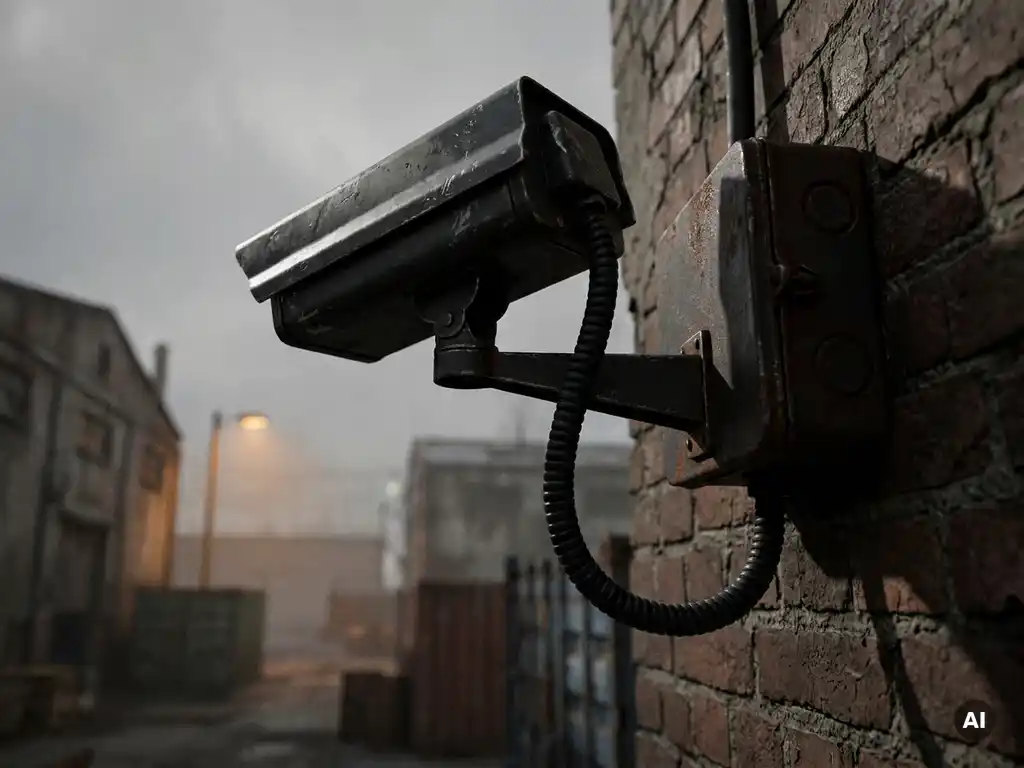
How do you secure a property without an internet connection?
Securing a property without an internet connection is entirely possible with the right combination of local systems. Consider camera systems with local storage, wired alarm systems, and mechanical access control. These solutions operate completely autonomously and are therefore not dependent on a stable network connection. Do you have questions about which approach best suits your situation? Feel free to contact us and we will help you further. Below, we answer the most frequently asked questions about offline security.
Which security systems work without an internet connection?
Security systems that operate without an internet connection include analog and IP camera systems with local storage, wired alarm systems, mechanical locks, and standalone access control systems. These systems are completely independent and do not communicate via a cloud platform or external network. They can be reliably deployed in locations where no or limited internet access is available.
The most commonly used offline security solutions are:
- Camera security with NVR or DVR: A network video recorder (NVR) or digital video recorder (DVR) stores images locally on a hard drive. The cameras are connected to the recording device via a wired network or coaxial cable.
- Wired alarm systems: Traditional alarm systems communicate via a telephone line or GSM module, not via the internet. They are stable and less vulnerable to cyberattacks.
- Standalone access control systems: Systems that work with cards, PIN codes, or biometrics can be managed locally without a cloud connection. The access control then takes place entirely on the controller itself.
- Mechanical security: Locks, roller shutters, gates, and safes form a physical barrier that functions completely independently of technology.
The choice of a specific system depends on the type of building, the desired level of security, and the available infrastructure. Combinations of multiple systems generally provide the best protection.
How do you store surveillance footage without cloud storage?
You can store surveillance footage locally without cloud storage via an NVR or DVR with a built-in hard drive, or via an SD card in the camera itself. The recordings then remain on the device and are only accessible to those who have physical access to the system or the local network.
There are several methods for local storage:
- NVR or DVR with hard drive: The most widely used solution for professional camera systems. Depending on the storage capacity and the resolution of the cameras, images can be stored for days to weeks.
- SD card in the camera: Simple and cost-effective solution for smaller installations. The storage capacity is more limited, but sufficient for short-term recordings.
- Local NAS server: A Network Attached Storage device within your own network offers more storage space and flexibility, without the need for an internet connection.
An important point to consider is setting up an automatic overwrite cycle so that older footage is replaced when storage becomes full. Also ensure that the storage device is physically well secured, as theft of the recorder also means the loss of evidence.
What are the limitations of offline security?
The main limitations of offline security are the lack of real-time remote notifications, limited options for central management, and reliance on local hardware that requires regular maintenance. Those who do not use the internet also miss out on the benefits of automatic software updates and cloud backups.
Concrete disadvantages at a glance:
- No live remote access: Viewing images or operating the system from another location is not possible without internet, unless a separate private network has been set up.
- Limited scalability: Expanding the system requires additional hardware and cabling, while cloud solutions are easier to scale.
- Risk of data loss: If local storage is damaged or stolen, the footage is lost. A cloud backup offers an extra safety net here that is lacking in offline systems.
- Maintenance and updates: Firmware updates and system maintenance must be performed manually, which requires more time and technical knowledge.
Despite these limitations, offline systems also offer clear advantages, such as lower susceptibility to cyberattacks and full control over one's own data. For many companies, this far outweighs the disadvantages.
How do you receive notifications without an internet connection?
Receiving notifications without an internet connection is possible via GSM modules, wired telephone lines, or local sirens and strobe lights. An alarm system with a built-in SIM card can immediately send an SMS or make a phone call to pre-set numbers in the event of an alarm, completely independent of the internet.
The most commonly used methods for offline notifications are:
- GSM communication: The most common solution. The alarm system connects to the mobile network via a SIM card and sends an SMS or calls a phone number in the event of an alarm.
- PSTN telephone line: Older systems communicate via a fixed telephone line. This is reliable, but increasingly less available now that traditional telephone networks are being phased out.
- Local siren or strobe light: An audible or visible alarm attracts the attention of bystanders and neighbors, which can trigger an immediate response without the need for an external connection.
- Alarm center via GSM: Professional security companies can be connected to a monitoring center via a GSM connection, which then takes action in the event of an alarm.
The effectiveness of offline notifications depends heavily on the quality of the GSM signal at the location. In areas with poor reception, it is advisable to combine multiple methods.
When is an offline security solution the right choice?
An offline security solution is the right choice when a location lacks a reliable internet connection, when data protection and privacy are paramount, or when security should rely as little as possible on external infrastructure. Think of remote buildings, industrial sites, warehouses, or situations with strict data policies.
Specific situations where offline security offers a solution:
- Remote locations: Farms, construction sites, and rural areas often do not have a stable internet connection. Local systems function here without problems.
- High privacy requirements: Organizations that process sensitive information sometimes do not want surveillance footage to run through external servers. Local storage provides full control over the data.
- Critical infrastructure: Systems that must not rely on an external connection, such as in industry or at utilities, benefit from the autonomy of offline solutions.
- Budget considerations: Offline systems do not require monthly subscription costs for cloud storage or management platforms, making them cost-efficient in the long run.
In many cases, a hybrid approach is the most sensible: a local system as the basis, supplemented with limited cloud capabilities where available and desirable. This way, you benefit from the reliability of offline security without completely foregoing the advantages of modern technology. Would you like to know which solution best suits your premises and requirements? Contact us contact Sellox for a no-obligation consultation.
Frequently Asked Questions
Can I convert an existing online security system to an offline system?
Yes, in many cases it is possible to modify or expand an existing system with offline components. For example, you can connect an IP camera system that currently operates via the cloud to a local NVR so that recordings no longer run through an external platform. However, it is advisable to have a specialist assess which hardware is compatible and what adjustments are needed to ensure a smooth transition.
How long is surveillance footage retained in local storage?
The retention period depends on the storage capacity of the hard drive or SD card, the resolution, and the number of cameras. An NVR with a 2TB hard drive can store footage for two to four weeks under average use before the oldest recordings are automatically overwritten. If you want a longer retention period, it is advisable to choose a larger hard drive, a lower resolution setting, or an additional NAS solution.
What should I do if the GSM signal at my location is too weak for reliable alarm notifications?
In the event of a weak GSM signal, several solutions are possible: placing an external antenna on the alarm system, installing a GSM signal booster, or switching to an alarm system that combines multiple communication methods, such as GSM and a landline. As an addition, a local siren is always recommended, so that a visible or audible response occurs immediately in the event of a burglary, even without an external connection.
Are offline security systems more difficult to install than online systems?
Offline systems, and wired solutions in particular, generally require more installation work than wireless cloud solutions, because cables must be run to cameras, sensors, and the capture device. This requires some technical knowledge or the involvement of an installer. However, the investment in a proper installation pays off in terms of stability and reliability, as wired systems are less susceptible to interference than wireless alternatives.
How do I secure the local storage against theft or sabotage?
It is strongly recommended to store the NVR or DVR in a locked, hidden space or a security enclosure that is difficult for burglars to access. Also consider mounting the recorder with a security bracket or placing it in a locked wall cabinet. As an additional measure, you can add a second, hidden storage device or periodically create a local backup on an external hard drive stored at a different location.
What maintenance is required to keep an offline security system reliable?
Regular maintenance is essential for a properly functioning offline system. This includes periodically checking the recorded footage to verify that cameras are functioning correctly, manually performing firmware updates for the NVR and cameras, and checking the condition of the hard drive. Additionally, it is advisable to replace batteries in wireless sensors in a timely manner and have the system inspected by a professional at least once a year.
Is a hybrid security system more expensive than a fully offline or fully online system?
A hybrid system requires a slightly higher initial investment because it includes both local hardware and limited cloud components. In the long run, however, it can be more cost-effective because you only pay for the cloud storage or features you actually need, while the core of the system runs locally and without subscription costs. Furthermore, a hybrid approach offers greater flexibility and scalability as your premises' needs change.